Web Development
Online store from idea to launch, step by step
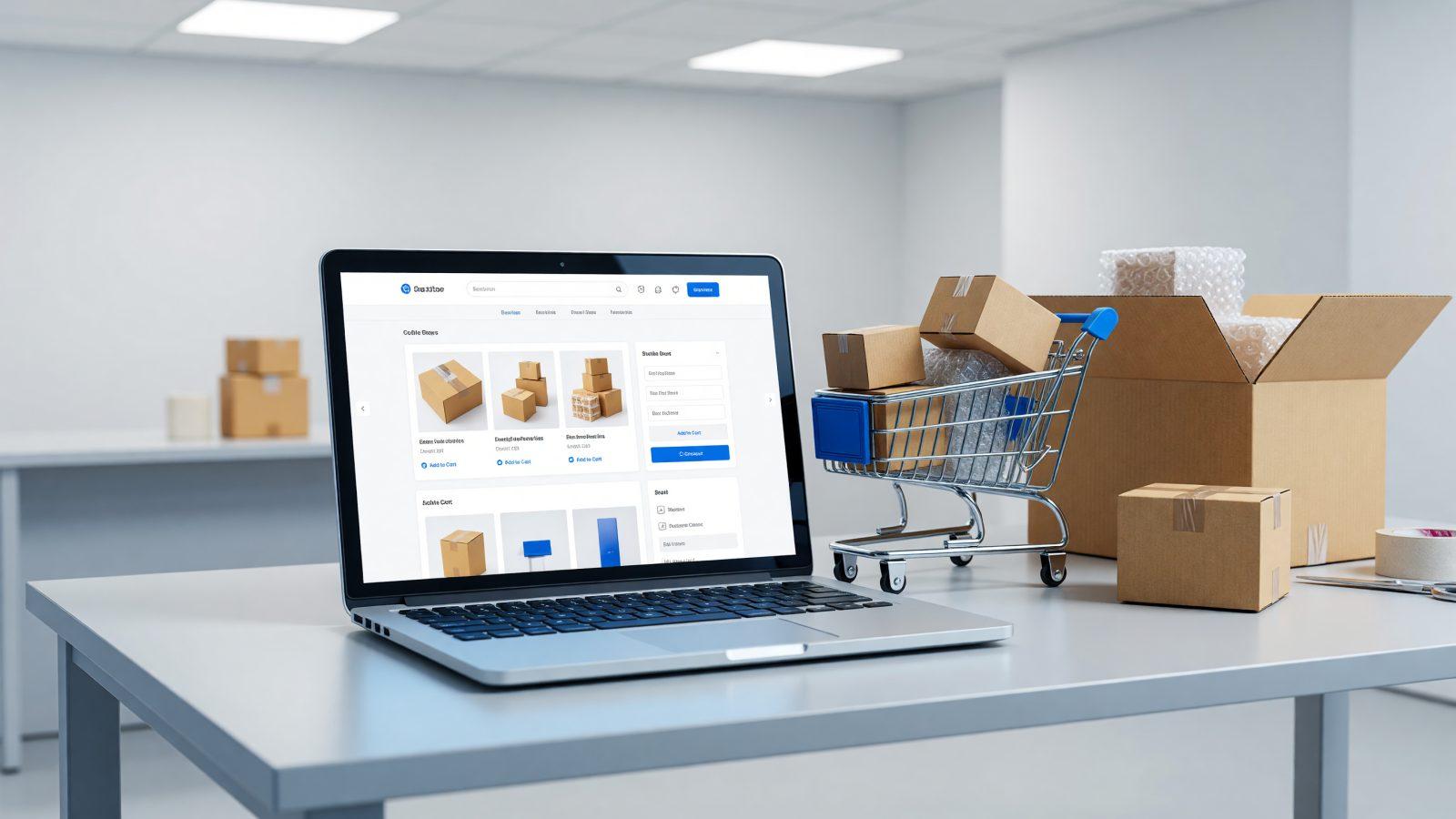
An online store rarely launches well as a weekend impulse — it has stages that, when skipped, get paid for later in returns, abandoned carts or legal compliance issues. Here is the realistic path, from idea to first order, and what matters at each step.
What you sell and to whom — the first decision, not the last
Before any technical discussion, get clear on what products you sell, at what price, and who your customer is. A store with 50 products for business buyers has completely different needs from one with 2,000 products for end consumers: the second needs strong filtering and search; the first needs detailed product sheets and a custom quoting flow. This decision shapes the platform, the budget and the launch timeline. A useful exercise: describe your typical customer in a single sentence — age, budget, reason to buy — before choosing any technical feature.
Off-the-shelf platform vs. a custom build
An established platform (such as WooCommerce or similar) suits most stores: you launch quickly, with predictable costs, and access to hundreds of ready-made integrations. A custom build only makes sense when you have a very specific sales flow — for instance, heavily configurable products or tight integration with an internal ERP — that does not fit any existing template. For 9 out of 10 small and medium companies, an off-the-shelf platform is the right call, at least at launch. Starting on an off-the-shelf platform typically costs a fraction of a custom build, and the launch timeline shrinks from months to weeks.
Category structure and the product page
A category structure that goes too deep (5-6 levels) discourages buyers; one that is too flat mixes unrelated products. The practical rule: no more than 3 category levels, with attribute filters (price, size, color) for fast navigation. A product page needs a few essential elements:
- Clear title — the product name, not an internal code.
- Useful description — what problem it solves, not just specifications.
- Quality photos — at least 3-4 angles, on a neutral background.
- Clear stock and delivery time — this cuts support questions and cart abandonment.
The product page often matters more for sales than the homepage — most visitors land directly on a product from a Google search or an ad, not from the main menu.
Payments, couriers and the legal obligations around returns
Integrating a payment processor (card, transfer, cash on delivery) and one or two couriers is the easy technical part to check off. The part often overlooked is the legal obligation: in online retail in Romania, customers have the right to return goods within 14 calendar days, without giving a reason, under consumer protection law. The return policy must be shown clearly before checkout, not buried in terms and conditions. Beyond returns, check the obligations around informing customers of the total price, delivery fees and the estimated delivery time, all shown before checkout. This is not legal advice — for the exact clauses that apply to you, check with a lawyer specialized in e-commerce.
Content, photos and testing before launch
Before opening the store to the public, test the entire flow as a real customer would: add to cart, pay a small amount, check the confirmation email, track delivery. A store with 200 products should budget at least a week just for testing and fixing minor bugs — broken links, wrong prices, missing photos. A rushed launch without this step moves the problems straight to your customers. Test on mobile too — most online purchases at small companies come from mobile devices, and a form that is hard to fill in on a small screen loses orders.
What comes after launch
Launch is the beginning, not the end. In the first weeks, you track analytics (where visitors come from, where they abandon the cart), start campaigns aimed at products that convert well, and continuously optimize load speed — a slow store loses sales no matter how good the product is. A company selling 30 different products might find, for instance, that 5 of them bring in 70% of sales — something you only learn from real data, not intuition. Realistically, the first meaningful optimizations come after 2-3 months of real traffic data, not guesswork.
How to start
A well-built online store starts from a platform suited to your needs, with SEO optimization built in from day one and performance optimization for load speed. Contact us to discuss a realistic budget and timeline for your project.